
Customers rarely abandon eyewear purchases because of price.
More often, they hesitate because they are not sure the frame will actually suit them.
That uncertainty - not cost - is where most online eyewear conversions disappear.
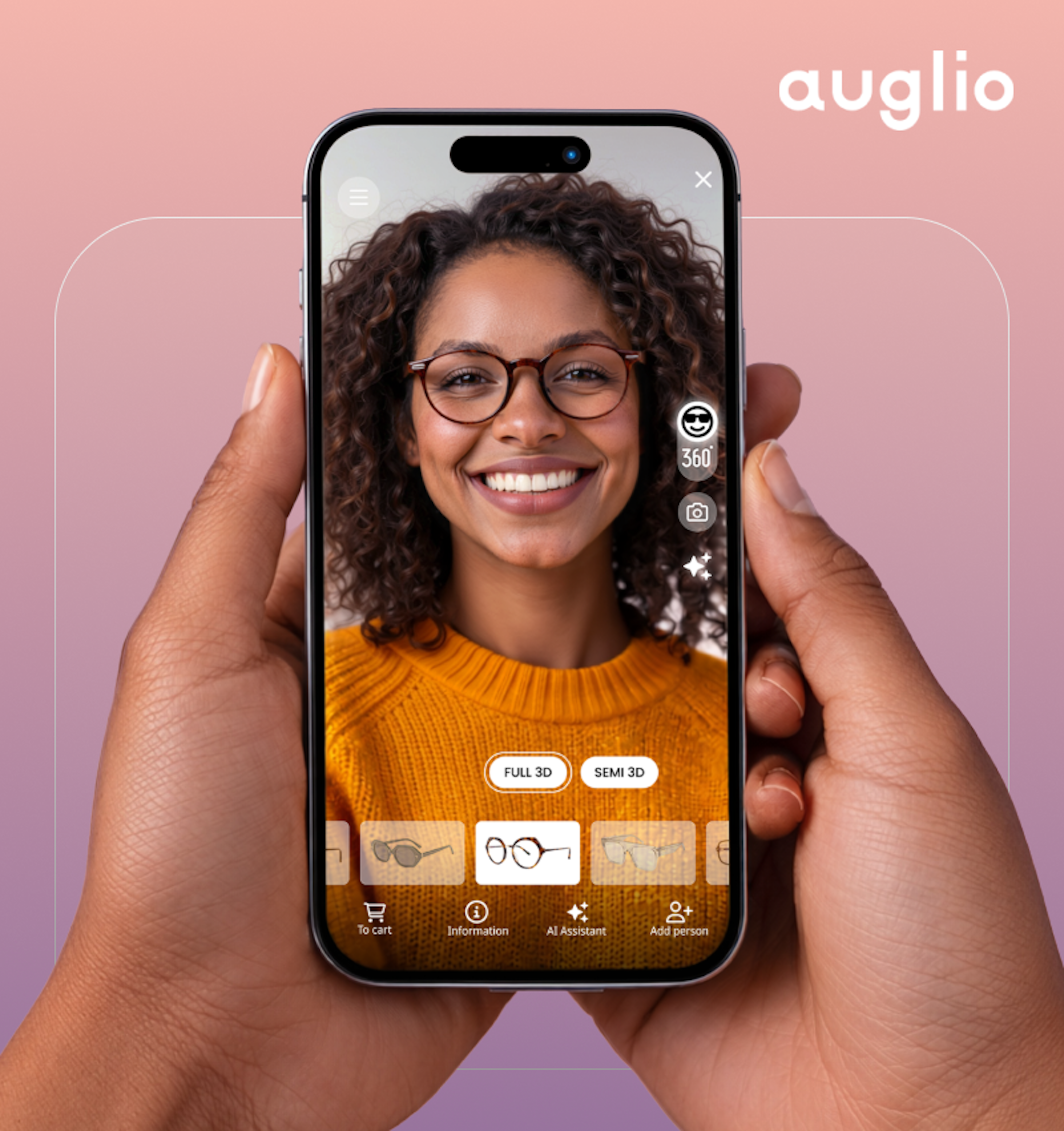
Price is rarely the biggest barrier in eyewear e-commerce. While discounts and promotional strategies can influence buyer behaviour, they do not address the core challenge that slows conversions: uncertainty.
When customers hesitate at the point of selection, they postpone commitment, compare endlessly, and often leave - directly affecting revenue
Eyewear purchasing is inherently visual and personal. Unlike many categories where customers shop based on features and price alone, eyewear shoppers are evaluating how products look on them. If customers aren’t sure whether frames suit their face, match their style, or feel proportionate, they delay decisions. That delay increases abandonment and reduces overall conversion rates.
Why Traditional Conversion Optimisation Isn’t Enough
Many brands try to improve conversion by focusing on late-funnel tactics: simplifying checkout, refining shipping policies, experimenting with pricing, or expanding payment options. These improvements matter, but they address symptoms rather than the real friction point - the decision stage.
If uncertainty isn’t resolved before checkout, downstream optimisations can only do so much. Improving conversion in eyewear e-commerce therefore means reducing hesitation earlier in the customer journey.
Industry research supports this view. McKinsey’s Next Best Experience research shows that companies investing in AI-powered personalisation and digital experience capabilities can increase revenue by 5-8 % while improving customer satisfaction by 15-20 % and reducing cost to serve by 20-30 % - illustrating the value of delivering the right interaction at the right time to support customer decisions.
What Decision Confidence Actually Means
Decision confidence is the point at which a shopper feels comfortable enough to commit without prolonged comparison.
In eyewear e-commerce, confidence increases when customers can reliably:
- See frames realistically on their own face
- Compare options without feeling overwhelmed
- Understand fit and proportion quickly
When customers feel certain, they stop delaying and start acting. Faster decisions lead to higher conversion rates, shorter purchase cycles, and improved revenue growth.
The Role of Virtual Try-On Technology
Virtual try-on technology can be an important part of building shopper confidence - but only when it’s integrated into the decision flow. As a standalone feature, it may increase engagement without improving conversion. When used strategically, it becomes a tool that reduces doubt.
Technology alone does not improve conversions - clarity does.
When virtual try-on helps customers see themselves in selected frames, it reduces guesswork. Customers are less likely to abandon carts when they can visualise the outcome of their purchase.
From Virtual Try-On to Assisted Shopping
Assisted shopping reframes visual try-on from a feature into a decision support tool. Instead of simply displaying a digital overlay, it guides customers at the moment they need reassurance most. This structured assistance turns exploratory browsing into confident selection.
Brands that remove uncertainty most effectively outperform those that compete primarily on price. Customers do not abandon eyewear carts because they cannot afford the frames; they abandon them because they’re not sure.
Improving decision-making in your online eyewear experience is therefore not just a design adjustment - it is a business strategy with measurable impact.
👉 https://auglio.com/en/contact
Tags: Virtual Try On Assisted Shopping Technology Eyewear e-commerce E-commerce conversion Eyewear e-commerce Customer confidence AI personalization